If you want the light, refined look of marble without signing up for marble-level sensitivity, quartzite Taj Mahal usually enters the conversation fast. It is one of the most requested natural stones for kitchens, bathroom vanities, and statement installations because it brings a calm, warm palette together with the practical strength many clients need for daily use.
What makes Taj Mahal stand out is not loud movement or dramatic contrast. It is the opposite. This material is known for a creamy background, soft veining, and a polished, elevated feel that works with a wide range of cabinetry, metal finishes, and flooring choices. For homeowners and design professionals trying to build a space that still looks current ten years from now, that restraint is often the point.
What quartzite Taj Mahal actually is
Taj Mahal is a natural quartzite, not a quartz product and not a marble. That distinction matters because each material behaves differently in fabrication, maintenance, and long-term wear. Quartzite forms naturally under heat and pressure, and in general it is harder and more durable than marble.
That said, natural stone is never one-size-fits-all. Even within the category of Taj Mahal quartzite, slabs vary in tone, movement, translucency, and density. Some run warmer and creamier. Others lean more greige or show stronger linear veining. This is why seeing the actual slab matters more than relying on a small sample.
For design projects, that variation is part of the appeal. You are not getting a printed pattern repeated across a manufactured surface. You are choosing a piece of natural material with its own character, and the final result can feel far more custom because of it.
Why Taj Mahal is so popular
A lot of stones make a strong first impression in a showroom. Fewer still continue to make sense once you factor in cabinetry, lighting, backsplash choices, edge details, and how the space will actually be used. Taj Mahal stays popular because it performs well in both conversations – aesthetic and practical.
On the design side, it has an unusual level of flexibility. It pairs well with white oak, painted cabinets, dark wood, warm brass, polished nickel, matte black, and a wide range of tile styles. It can support a minimalist kitchen just as easily as a more classic or transitional interior. Because the pattern is usually soft rather than busy, it gives the room movement without taking over the room.
On the functional side, quartzite is valued for durability. In high-use kitchens, that matters. Clients often want a surface that can handle everyday life while still delivering a premium natural look. Taj Mahal tends to meet that need well, especially when the material is selected carefully and fabricated properly.
Where quartzite Taj Mahal works best
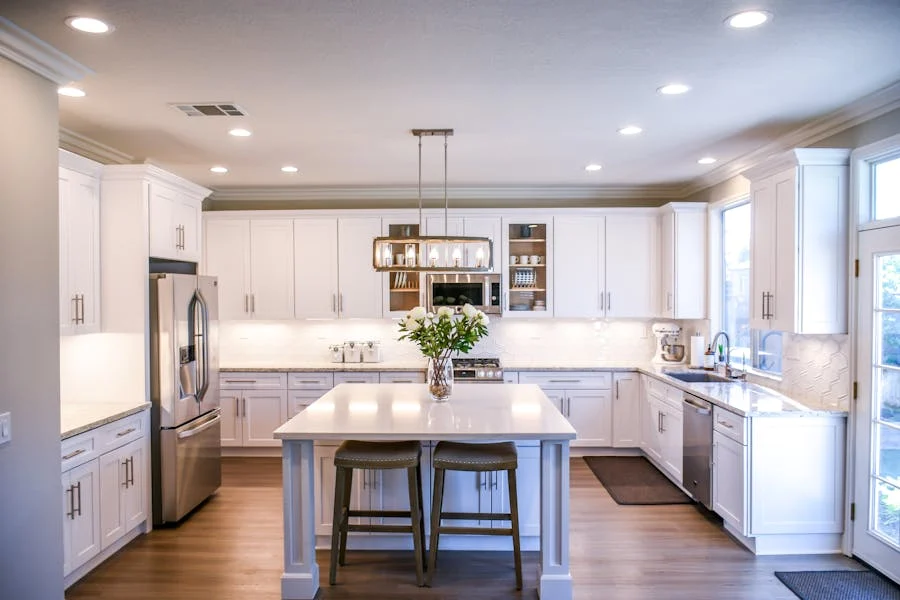
Kitchens are the most common application, and for good reason. Taj Mahal works beautifully for perimeter countertops, large islands, full-height backsplashes, and waterfall edges. Its lighter palette helps a kitchen feel open and bright, especially in homes where natural light is limited or where the goal is a more relaxed, coastal, or layered aesthetic.
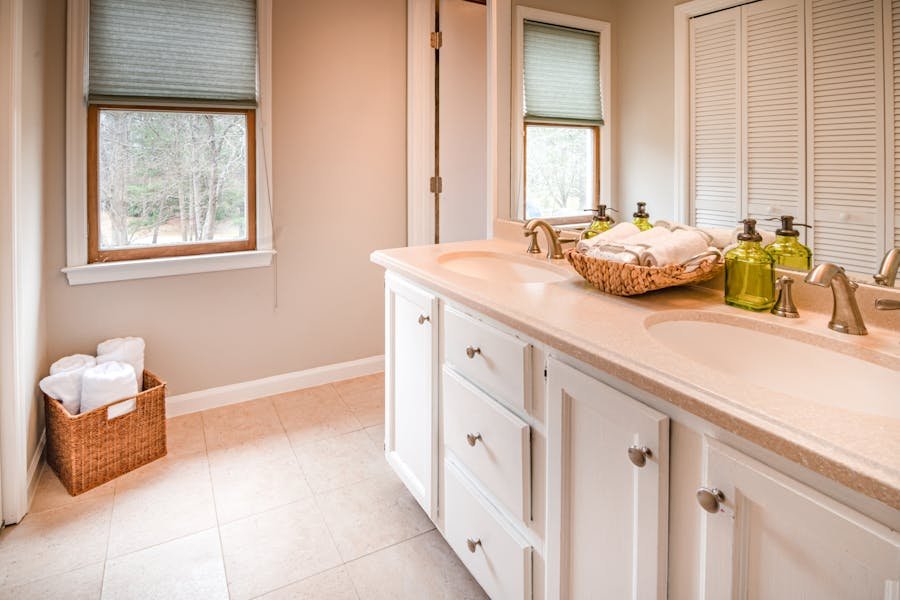
In bathrooms, it brings softness without feeling plain. On vanities, shower benches, wall features, and tub surrounds, it creates a polished look that still feels natural. The color variation is typically subtle enough to support spa-like spaces, but there is still enough movement to keep broad surfaces from feeling flat.
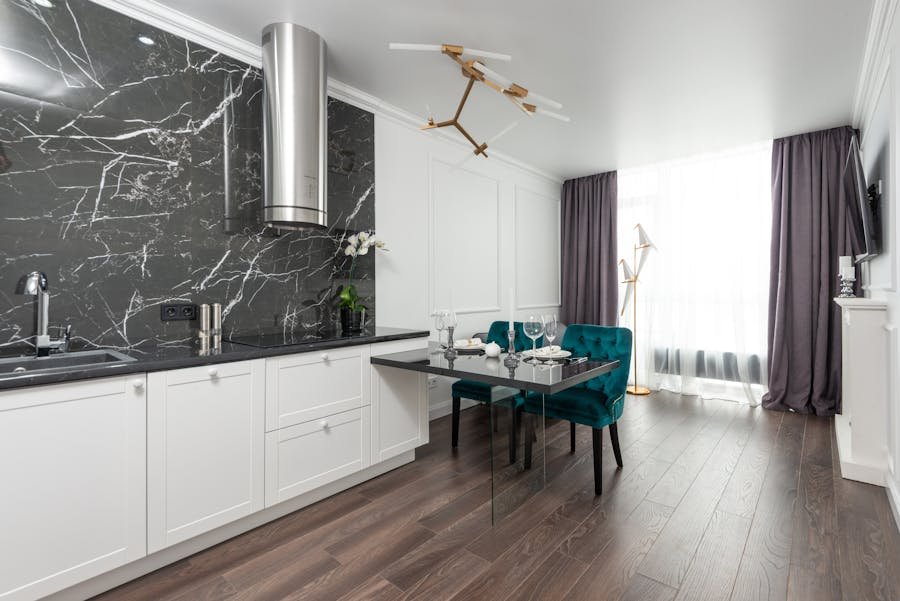
It is also a strong option for fireplaces and bar areas. In these settings, the stone can read more architectural, especially when the slab has longer directional veining or when the installation emphasizes scale.
The main consideration is layout. A quiet stone can look very sophisticated when seams are minimized and veining is planned well, but it can lose some of its impact if slab flow is ignored. Good fabrication and thoughtful slab mapping make a visible difference here.
What to expect from color and pattern
Clients often ask whether Taj Mahal is white, beige, or gray. The honest answer is that it usually sits between categories. Most slabs have a warm cream or off-white base with soft taupe, sand, beige, or gray veining. That balanced neutrality is one reason it works with so many palettes.
Still, lighting changes everything. A slab that looks creamy in the showroom may read cooler in a north-facing room or warmer under certain interior lighting. Cabinet color, wall paint, and surrounding finishes also influence how the stone reads once installed.
This is why final selection should happen with the actual project in mind. For a bright kitchen with warm wood floors, one slab may feel perfectly balanced while another may lean too yellow. In a bathroom with cooler tile and chrome fixtures, a slightly greige slab may create the cleaner match. Small differences become important on large surfaces.
Durability, maintenance, and real-world use
One of the biggest reasons people consider Taj Mahal is its reputation for being more forgiving than marble. In many cases, that is true. Quartzite is generally harder and more resistant to scratching and etching than marble, which makes it attractive for busy households and high-value spaces.
But natural stone still requires realistic expectations. Taj Mahal should be sealed properly, and like other natural materials, it benefits from routine care. Spills should be cleaned up in a reasonable timeframe, and harsh cleaners are best avoided. A mild stone-safe cleaner is usually the right approach for everyday maintenance.
Not every slab performs identically. Some quartzites are denser than others, and some lots may behave differently in fabrication and sealing. That is why expert guidance matters. A trusted showroom and fabrication partner can help evaluate the actual slabs, explain what to expect, and recommend the right finish and care plan for the application.
For many clients, this is the sweet spot. You get the authenticity and variation of natural stone with a durability profile that works well for real kitchens and baths, as long as the material is chosen and handled correctly.
Fabrication details that affect the final result
With Taj Mahal, the quality of the slab matters, but so does the quality of execution. A premium stone can lose impact quickly if the fabrication is rushed or the installation details are not thought through.
Edge profile, seam placement, sink cutouts, backsplash transitions, and bookmatching all influence how finished the project feels. Waterfall islands, for example, demand careful vein alignment. Full-height backsplash installations require slab planning that considers outlet placement, visual flow, and where natural movement should be highlighted rather than interrupted.
Thickness also plays a role. Depending on the design, a 2 cm or 3 cm slab may be more appropriate, and the look you want should be balanced with structural needs and edge treatment. Honed and polished finishes can both work, but they create different effects. Polished Taj Mahal tends to emphasize depth and light reflection, while a honed finish can feel softer and more understated.
This is where a consultative process saves time and reduces costly revisions. For projects in the Charleston area, working with a showroom and fabrication team that can guide material selection, take precise measurements, and manage the finish details under one roof often leads to a smoother outcome.
Is Taj Mahal quartzite right for your project?
Usually, yes – if your goal is warmth, longevity, and a natural surface that does not date quickly. It is especially strong for clients who want a lighter countertop but do not want the starkness of bright white surfaces or the higher maintenance profile associated with some marbles.
It may be less ideal if you want bold contrast, heavy movement, or a very cool modern palette. In those cases, another quartzite, marble, or engineered surface might fit better. Budget is also part of the conversation. Taj Mahal is a premium material, and the full investment includes not just the stone but fabrication, transport, layout, and installation. The value is there, but it should be considered as a whole-project decision.
For homeowners, the best question is not simply, “Do I like this slab?” It is, “Will this slab still make sense once everything else in the room is around it?” For designers and builders, it becomes a coordination decision as much as a material choice.
At Stonhaus Design, that is typically where the right answer gets clearer – not from guessing off a sample, but from seeing real materials, reviewing actual slabs, and matching the stone to the way the space will be built and used.
In Charleston, SC and surrounding Isle of Palms, this decision shapes how a space feels for years, so it is worth getting right the first time.
How much does Taj Mahal quartzite cost per square foot?
Cost is one of the first things buyers ask about, and Taj Mahal sits in the premium tier of natural stone. Installed, it commonly falls in roughly the $80 to $200 per square foot range, with the exact figure driven by slab grade, thickness, edge profile, and the complexity of your layout. A straightforward vanity will sit near the lower end, while a large kitchen with an island, a waterfall edge, and matched seams climbs higher because it uses more material and more skilled labor. As always, the most reliable number comes from pricing the specific slab and fabrication your project needs rather than a broad average.
Taj Mahal quartzite versus marble
Many people are drawn to Taj Mahal precisely because they want the look of marble without marble’s fragility, so the comparison comes up constantly. Both offer soft, elegant veining, but the performance is very different. Marble is a calcium-based stone that etches when it meets acids like lemon juice or wine and scratches more easily, which is why it asks for careful use in a busy kitchen. Taj Mahal quartzite is far harder and more resistant to scratching and etching, so it delivers a similar warm, creamy aesthetic with the durability a hardworking kitchen actually needs. For homeowners who love marble’s look but worry about its upkeep, Taj Mahal is frequently the answer.
Hardness, sealing, and keeping it pristine
Taj Mahal earns its durability honestly, rating roughly 7 on the Mohs hardness scale, which puts it well above marble and on par with many granites for scratch resistance. It also handles heat well, though a trivet under hot pans is still good practice. Because it is a natural stone with some porosity, it should be sealed at installation and resealed roughly every one to two years using a quality penetrating stone sealer. A simple test tells you when it is time: if water stops beading and starts darkening the surface, it is ready for a fresh coat. That light maintenance is all it takes to keep the soft white and gold tones looking their best for years.
If Taj Mahal keeps showing up in your saved photos, there is probably a reason. The best next step is to look at full slabs in person and judge them in the context of your cabinets, light, and layout, because that is where a beautiful material becomes the right one.