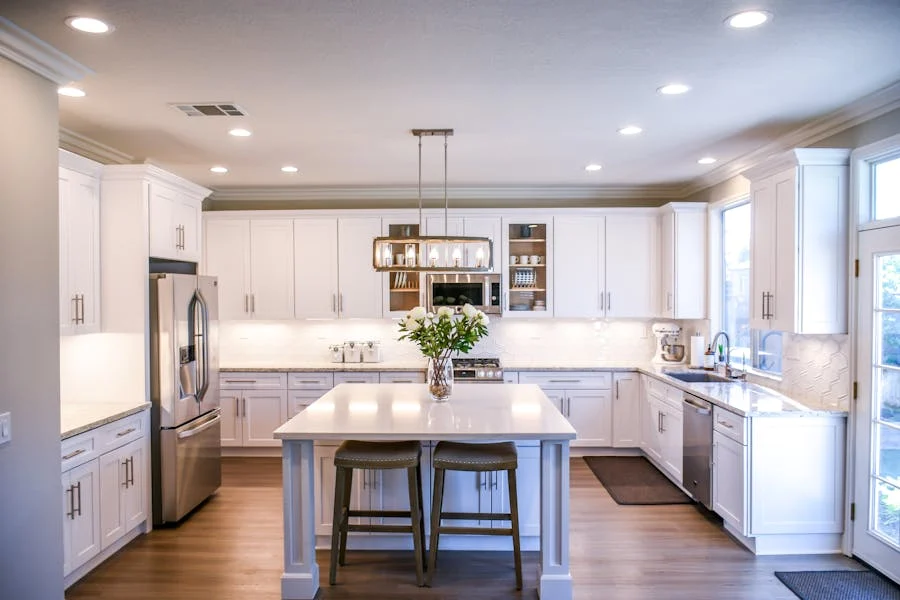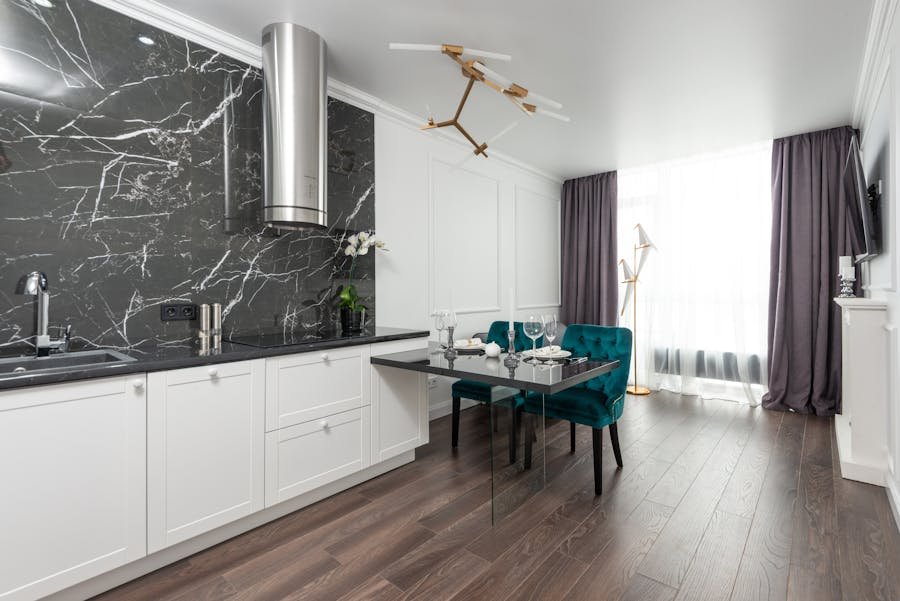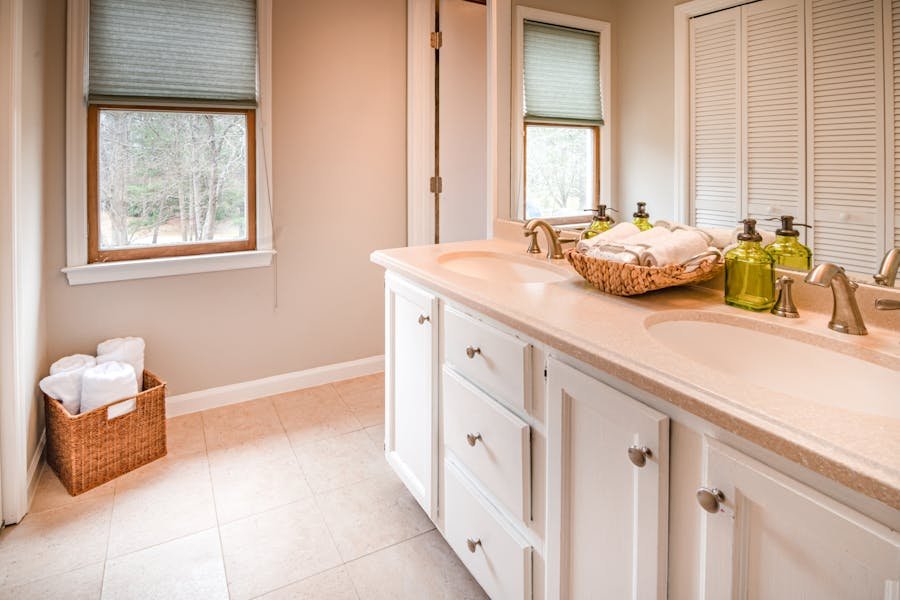
A slab can look perfect in the showroom and still be the wrong choice for the way you actually live. That is why the question of quartzite versus quartz surfaces comes up so often in kitchen and bath projects. Both are premium materials. Both photograph beautifully. But they perform differently, age differently, and ask different things from the homeowner or design team.
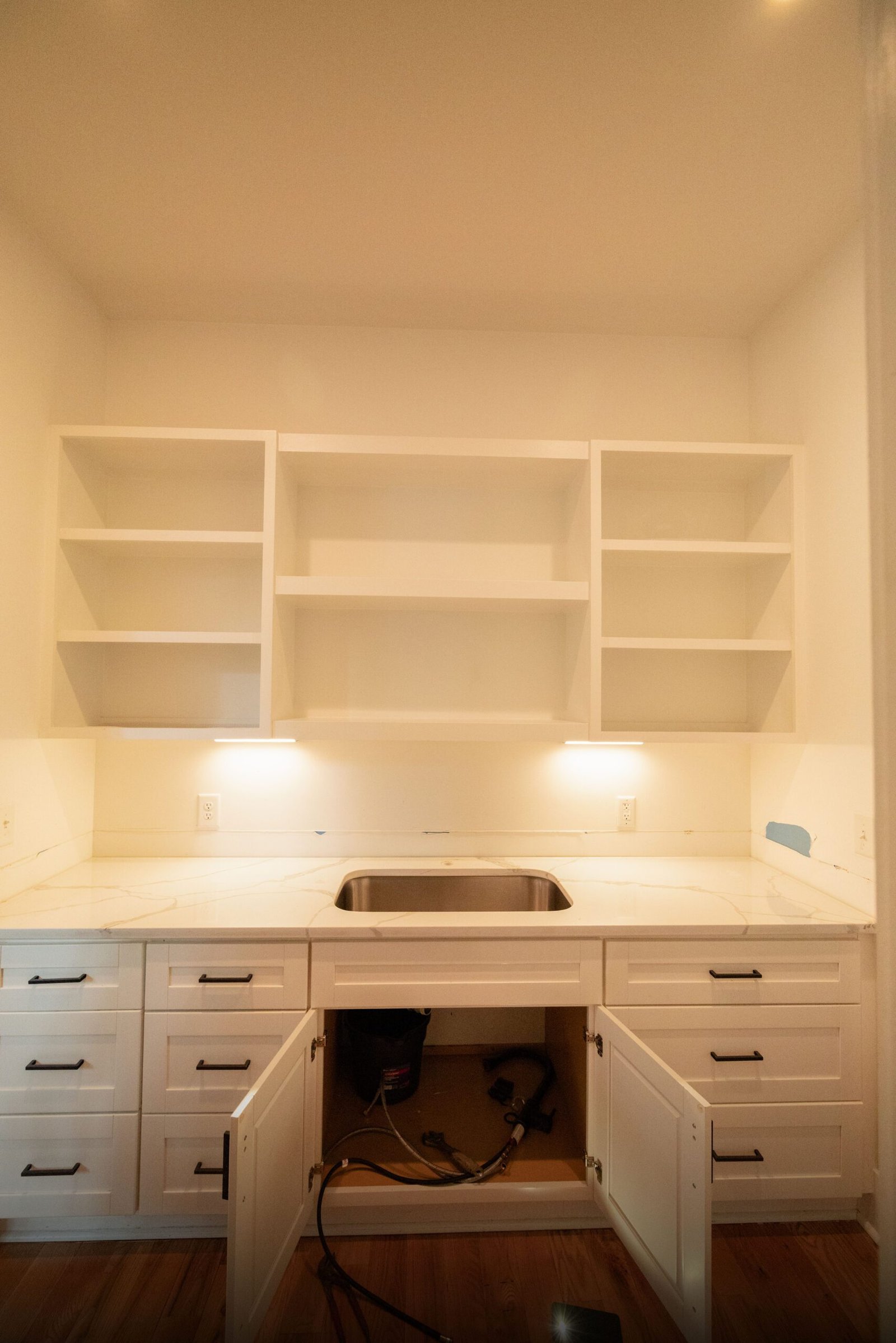
If you are deciding between them, the best choice usually comes down to three things: how much movement and natural variation you want, how hard you are on your surfaces, and how much maintenance you are willing to accept. The right answer is not always the most expensive one or the one trending on social media. It is the material that fits the room, the client, and the way the project will be used.
Quartzite versus quartz surfaces: what is the difference?
Quartzite is a natural stone. It starts as sandstone and, over time, heat and pressure transform it into a dense, durable material with the look and variation many clients want from real stone. Every slab is unique, which is part of its appeal. Veining, mineral movement, and color shifts are not printed patterns. They are naturally occurring.
Quartz, by contrast, is an engineered surface. It is made from crushed quartz combined with resins and pigments. That manufacturing process creates a more controlled appearance and more consistency from slab to slab. For homeowners who want a clean look with fewer surprises, that predictability can be a major advantage.
This is the first fork in the road. If authenticity, one-of-a-kind patterning, and the depth of natural stone matter most, quartzite often leads. If consistency, design control, and lower maintenance are the priority, quartz often makes more sense.
Appearance: natural movement or controlled consistency
The visual difference is usually what draws people in first. Quartzite tends to have more organic movement and depth. Some slabs resemble marble but offer greater hardness. Others are bold and dramatic, with strong veining or layered mineral character. In a high-impact kitchen island, fireplace surround, or statement bath vanity, that natural variation can become the focal point of the entire room.
Quartz offers a different kind of beauty. It can mimic marble, concrete, or soft stone looks while staying visually consistent across the surface. That consistency is especially useful in modern kitchens, large commercial-style layouts, or projects where multiple slabs need to match closely. It is also helpful when the design depends on quiet, even patterning rather than natural variation.
Neither look is better on principle. It depends on the design intent. In some homes, the slight unpredictability of quartzite is exactly what gives the room life. In others, the clean repeatability of quartz keeps the space feeling calm and refined.
Performance in kitchens and baths
When clients ask about durability, they usually mean everyday life: hot pans, spilled coffee, makeup, oils, kids doing homework, and the occasional dropped object. Here, both materials perform well, but not in identical ways.
Quartzite is generally very hard and highly resistant to scratching. In many kitchens, that toughness is a real benefit. It also handles heat better than quartz, which matters if you cook often and your countertops see frequent contact with warm pots or styling tools.
Quartz is also durable, but because it contains resin, it is less heat-resistant than quartzite. A very hot pan placed directly on the surface can cause damage or discoloration. For most households, trivets and a little care solve this. But if a client wants a surface that tolerates more abuse from heat, quartzite tends to be the stronger candidate.
In bathrooms, the difference often matters less. Heat exposure is lower, and quartz can be especially appealing because it resists staining well and does not require sealing. For busy family baths or guest baths where simple upkeep matters, quartz is often the easier material to live with.
Maintenance: this is where the decision often gets made
Quartzite needs sealing and some awareness
Quartzite is natural stone, so it is porous to varying degrees depending on the slab. That means it typically needs sealing to help protect against staining. Sealing is not difficult, but it is still a maintenance step. Some homeowners are happy to do it. Others want a surface they never have to think about.
It is also worth noting that quartzite quality can vary. Some materials sold under the quartzite label are softer or more absorbent than expected. That is why slab selection and guidance matter. A knowledgeable showroom and fabrication partner can help confirm what you are actually buying, rather than relying on the name alone.
Quartz is lower maintenance day to day
Quartz is non-porous, so it does not need sealing. It is easy to wipe down and generally forgiving with everyday spills. For many households, that convenience is the deciding factor. If the goal is to reduce upkeep while still achieving a premium finish, quartz is hard to ignore.
That said, lower maintenance does not mean no care. Harsh chemicals and prolonged heat exposure can still cause issues. Quartz is practical, but it is not indestructible.
Cost and value in a real project
The cost conversation is rarely just about the slab price. Fabrication complexity, edge details, cutouts, slab availability, and installation logistics all affect the final number.
Quartzite can be more expensive, especially for rare colors or dramatic slabs with strong visual appeal. Because it is natural, each slab is an individual selection, and that level of curation can carry a premium. Fabrication may also require specialized handling depending on the material.
Quartz spans a broad price range. Some options are more budget-friendly, while premium designer lines can rival natural stone pricing. The advantage is often predictability. For projects with tight timelines or larger surface areas, quartz can make budgeting and matching easier.
Value, though, is not just what you pay upfront. It is also how satisfied you will be five years from now. A client who loves natural stone and accepts its maintenance will often see quartzite as worth every dollar. A client who wants clean lines and less upkeep may feel quartz delivers better long-term value.
Quartzite versus quartz surfaces for different clients
For avid cooks, quartzite often makes sense because of its hardness and heat tolerance. For households that use the kitchen heavily and want the authenticity of natural stone, it can be an excellent fit.
For busy families, short-term rentals, or anyone who wants a more controlled appearance with easier upkeep, quartz is often the safer choice. It reduces maintenance friction and delivers a polished look without asking much in return.
For designers and architects, the decision often comes down to intent. If the surface is meant to anchor the room with natural movement and individuality, quartzite can do something engineered materials cannot fully replicate. If the project depends on continuity, consistency, and repeatability across several spaces, quartz may support the design better.
What to look at in person before you decide
Photos narrow choices, but they do not replace seeing full slabs. With quartzite, viewing the actual slab matters because variation is the point. Tone, veining, and movement can shift significantly from piece to piece. With quartz, in-person viewing still matters because finish, reflectivity, and pattern scale can read differently under real lighting.
You should also ask practical questions early. Will this slab need sealing? How does it handle acids or oils? Is the chosen color available in enough material for the full project? Will seams be visible in the planned layout? These details affect satisfaction just as much as color does.
At a curated showroom like Stonhaus Design, that consultation piece helps prevent expensive mismatches between what looks right on a sample and what performs right in the home. That is especially valuable when the project includes fabrication details, waterfall edges, full-height backsplashes, or custom applications beyond a standard countertop.
The better question is not which is best
The better question is which surface fits the project without forcing compromises you will regret later. Quartzite brings authenticity, depth, and strong performance, but it asks for more involvement. Quartz offers consistency, convenience, and design flexibility, but it comes with limits around heat and a more manufactured feel.
Quartzite vs quartz cost: what to actually budget
One of the most common questions is whether quartzite is more expensive than quartz, and the honest answer is that the two overlap far more than people expect. Entry-level quartz and entry-level quartzite often land in a similar range per square foot installed, but the ceilings are very different. Exotic quartzite slabs with dramatic movement can climb well above standard quartz, while high-end designer quartz lines can match or exceed mid-grade quartzite. The smarter way to budget is to price the specific slab you love, fabricated and installed, rather than relying on a generic material average. Edge profile, the number of seams, cutouts, and how much of the slab you actually use all move the final number more than the raw material label does.
Where granite fits in the comparison
Many buyers weighing quartzite against quartz are really comparing all three natural and engineered options at once, so it helps to place granite in the picture. Granite is a fully natural stone like quartzite, highly heat resistant and very hard, but its look tends to read as speckled or grained rather than the marble-like veining that draws people to quartzite. Quartz, being engineered, gives you the most predictable pattern of the three and never needs sealing. If your priority is a marble aesthetic with real durability, quartzite usually wins; if you want a one-of-a-kind natural surface at a friendlier price, granite is often the value choice; and if consistency and zero sealing matter most, quartz makes the most sense.
Quartzite vs quartz at a glance
For a quick reference: quartzite is a natural stone, needs periodic sealing, resists heat extremely well, and offers organic one-of-a-kind veining, but it asks for slightly more awareness in daily use. Quartz is engineered, never needs sealing, resists stains and everyday wear with almost no effort, and offers consistent repeatable patterns, but it can be damaged by high heat and reads as more manufactured up close. Neither is universally better; the right pick depends on how forgiving you want the surface to be and how much you value natural authenticity over engineered convenience.
Whether your home is in historic Charleston, SC or out in Daniel Island and Mount Pleasant, the same principles apply once you account for how you actually live in the space.
A good surface should not just match the cabinet color or the tile. It should match the pace of your household, the expectations of the client, and the level of maintenance that will still feel reasonable a year from now. When those pieces align, the material tends to feel right long after installation day.